Joseph Houlihan: What Home Buyers Should Know about Closing Costs
By Joseph Houlihan, Managing Partner, Houlihan & O'Malley Real Estate
Dec. 23, 2015: It used to be that home buyers found themselves overwhelmed with unexpected costs when they went to close on their home. But now, new regulations have been implemented to respond to consumers' need to better understand their loan options. Called Know Before You Owe, the federal mortgage disclosure rule was implemented by the Consumer Financial Protection Bureau on October 3 of this year.
Closing costs can run from two to five percent of the cost of your new home. So if you're buying a home that costs, say, $500,000, you will have to factor in another $10,000 to $25,000. The new regulations make these costs easier to review and understand and eliminate surprises at closing time.
The best advice is to be prepared. Some of the closing costs you may be faced with are:
-
Loan origination/application fee, charged by the lender for processing the loan paperwork
-
Attorneys' fees--both yours and your lender's
-
Fees for inspections required or requested by the lender or you
-
Discount points, paid in exchange for a lower interest rate
-
Appraisal fee
-
Survey fee for preparation of a current survey of the property's legal boundaries. Note: lenders will often accept an older survey as long as there are no changes to the property.
-
Title insurance premium
-
Title search fees to pay for a background check on the title to make sure there are no items such as unpaid mortgages or tax liens on the property
-
Pest inspection fee
-
Recording fee, paid to a city or county in exchange for recording the new transactions (including the mortgage)
-
Underwriting fee, covering the cost of evaluating a mortgage loan application
-
Escrow deposit, which may pay for a couple of months' (or more) property taxes and private mortgage insurance.
To simplify matters, Know Before You Owe replaces four disclosure forms with two new ones that are easier to understand and use: the Loan Estimate and the Closing Disclosure forms. A prospective lender is now required to give a prospective borrower a Loan Estimate form once the borrower provides the following: price of home, escrow (how much a down payment the borrower is making when the contract is signed), borrower's name and address, credit report, income of borrower, and loan amount.
Borrowers no longer need to fill out a whole loan application form to receive a loan estimate, which makes it easier for home buyers to shop around and compare loan offers from multiple lenders.
Consider talking to at least three lenders before choosing a mortgage so you can find the best deal with the lowest closing costs. You can also ask a lender to match low closing costs offered elsewhere.
The Closing Disclosure form should be provided to you by the lender a minimum of three days prior to closing; the form will include all of the costs you will incur in connection with closing on your mortgage. This gives you ample time to ask questions and make sure that the form doesn't contain major changes from the deal you were offered on the Loan Estimate form that the lender previously supplied. Buyers should review this form with their attorney before signing off on it. They should also keep in mind that they have to sign off on the Closing Disclosure form with their lender before the closing can be scheduled.
When comparing the Loan Estimate form to the Closing Disclosure form, look for fees that seem repetitive or questionable, such as extra "processing" fees for items that should be covered in the overall cost. In addition, be sure you're not paying for a service that was not provided. For example, is your lender charging you a "courier" fee for documents that were actually emailed rather than delivered in person?
With the assistance of the new Know Before You Owe forms, a little care and due diligence, and some willingness to speak up for yourself, you can save on costs and be confident that you get a good deal. That's a great way to start a new phase of your life.
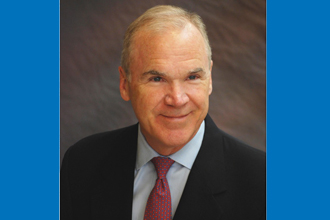
Pictured here: Joseph Houlihan, managing partner at Houlihan & O'Malley. His office is at 133 Parkway Road in Bronxville and he can be reached at 914-337-7888 or on his cell at 914-645-6640 or by email at
Photo courtesy Joseph Houlihan's office


