


Historian Nathaniel Philbrick Explored George Washington’s Legacy in his Lecture Marking the Nation’s 250th

By Grace Heraty
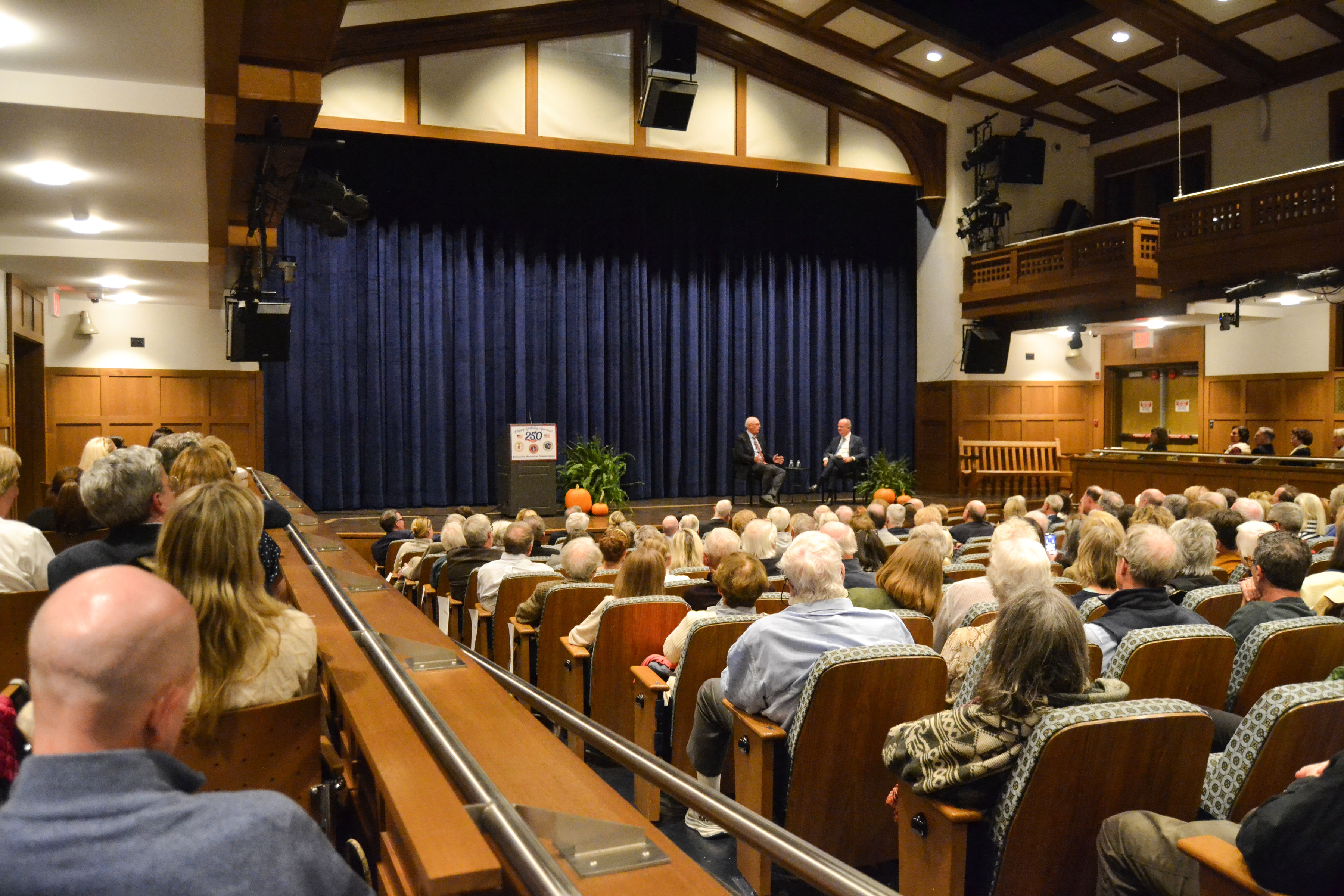
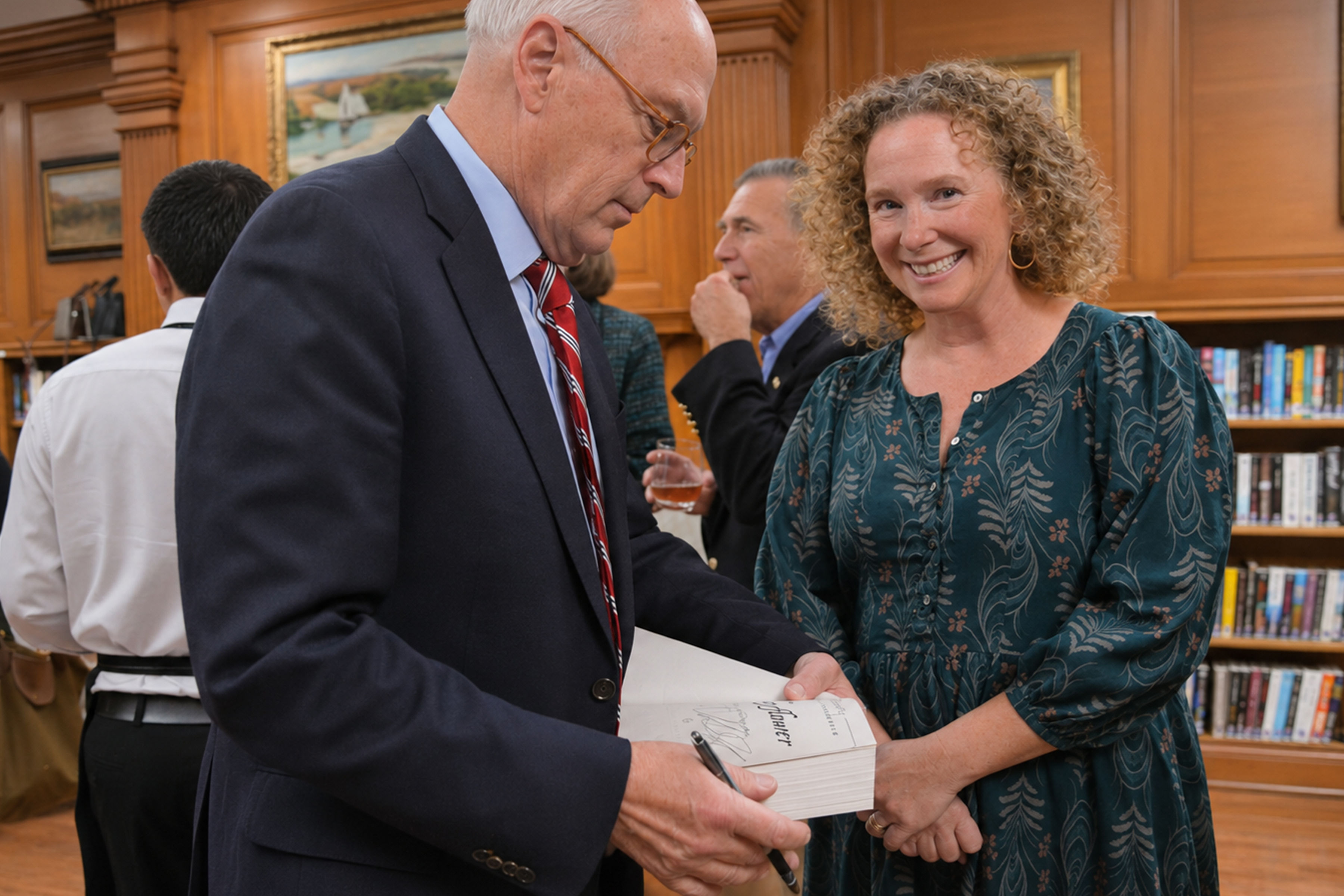
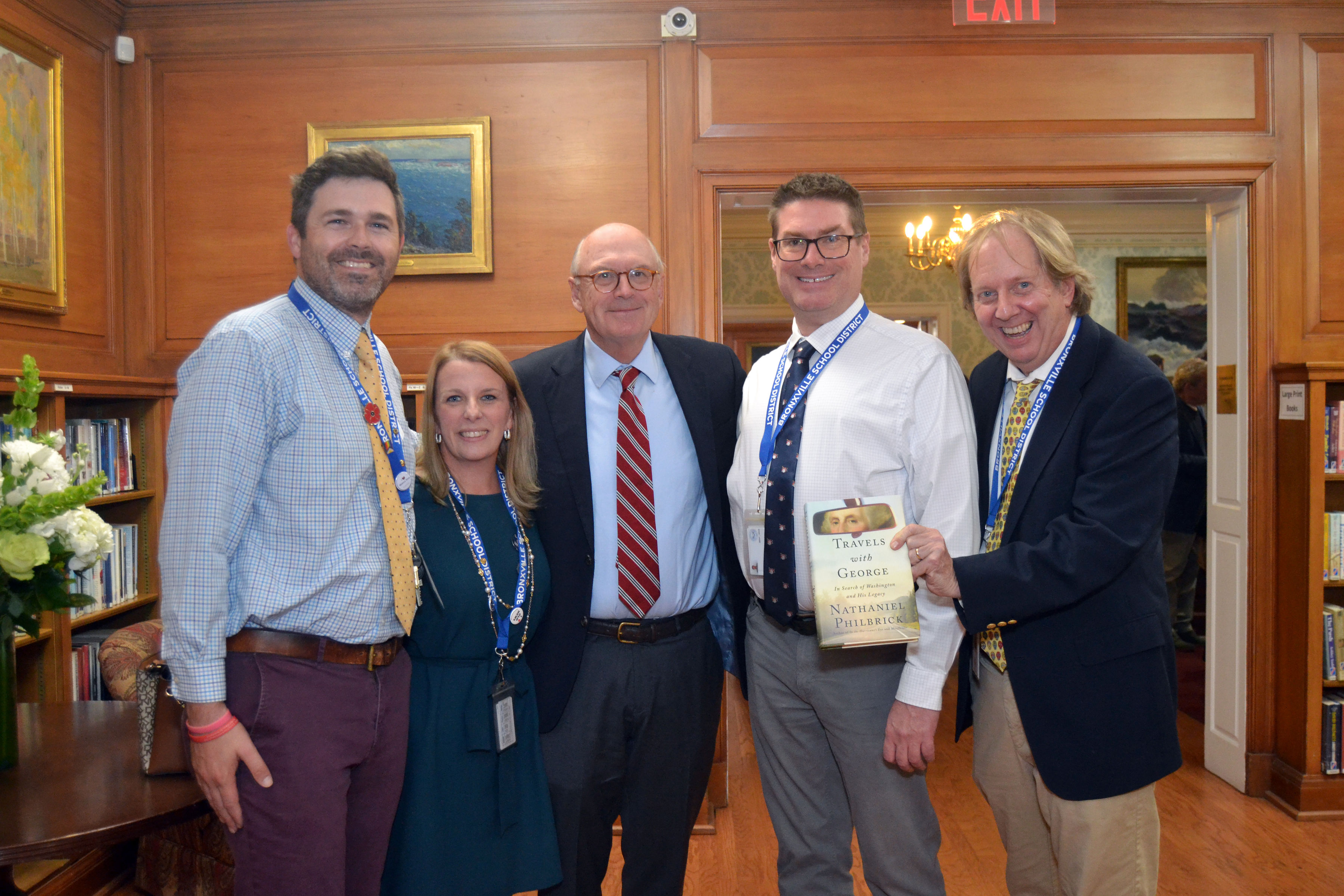
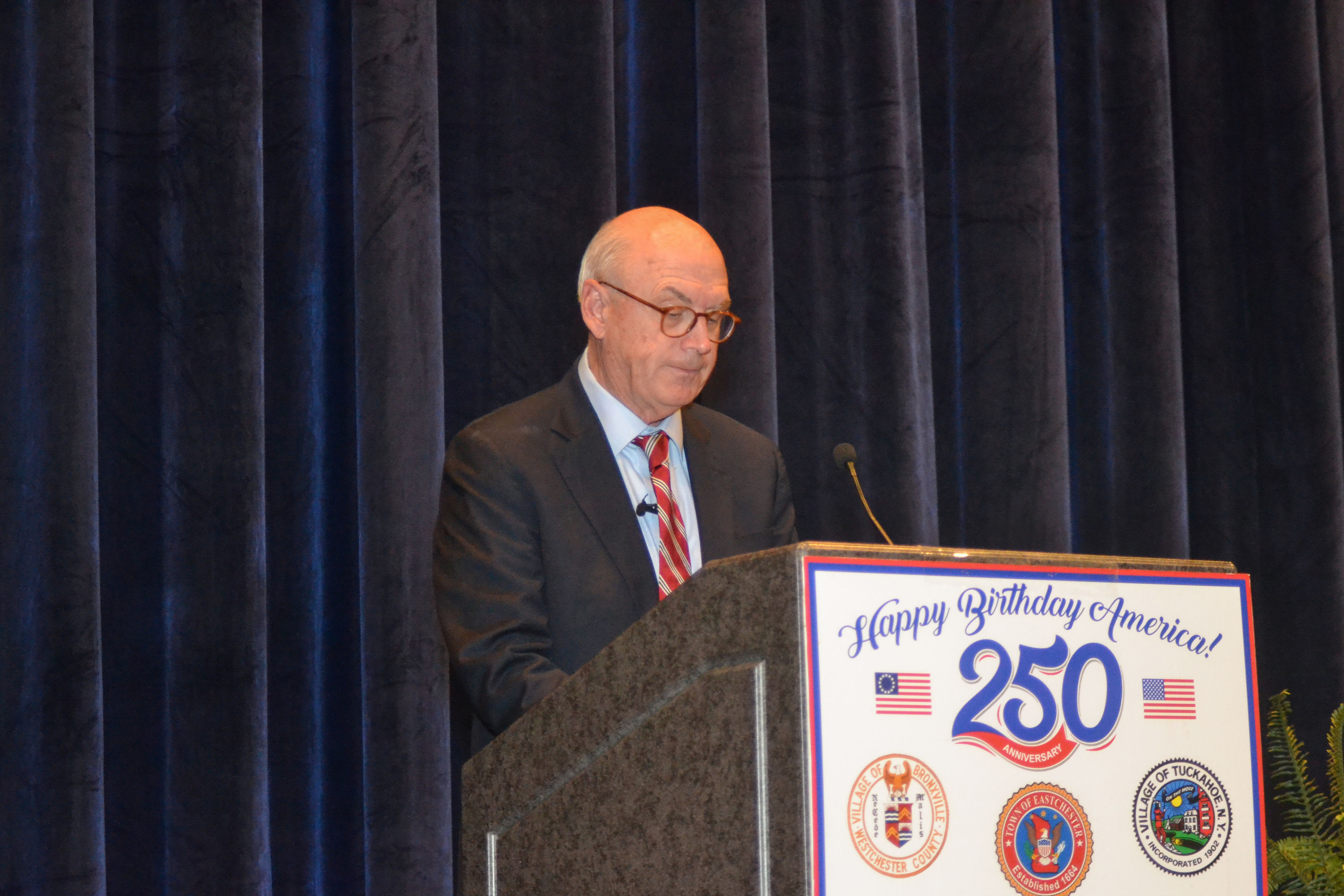
Nov. 11, 2026: On November 2nd, 2026, award-winning author and historian Nathaniel Philbrick visited the Bronxville High School auditorium to deliver a lecture to students and community members. The event was hosted by the Bronxville Historical Conservancy in celebration of America's 250th anniversary.
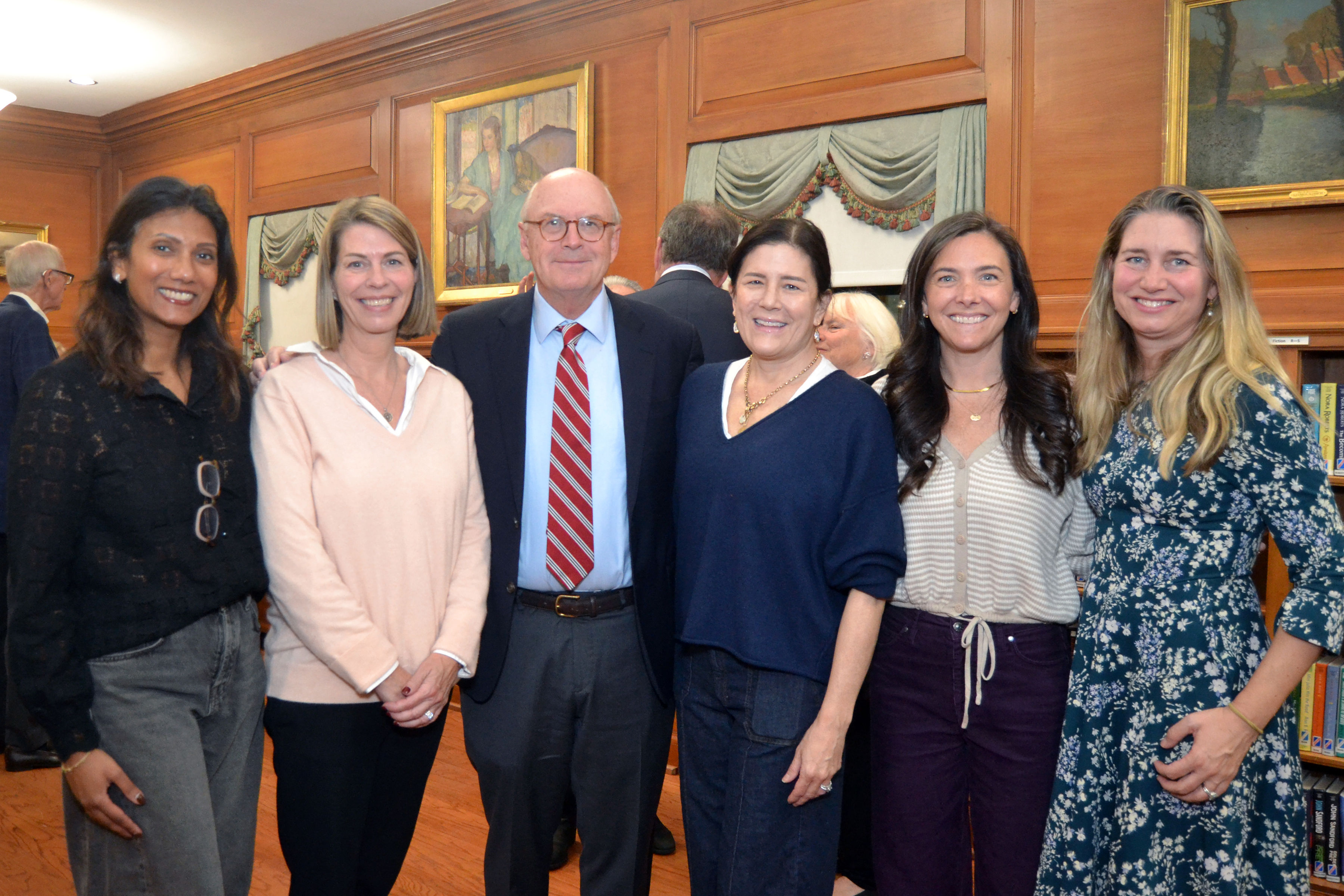
Philbrick explored the American Revolution, highlighting George Washington, internal disputes, and military setbacks that shaped the outcome of the war for independence.
Philbrick, whose books include Bunker Hill, Valiant Ambition, Travels With George, and most recently The Rush, has written extensively about colonial America and the revolution. In his lecture, he focused on the transformation of Washington from an inexperienced general to an indispensable man who played an integral role in the forming of our nation.
The lecture began with Philbrick explaining the overwhelming odds that Washington faced at the start of the war, with a significantly smaller and less experienced army than the British. Additionally, Philbrick examined the challenges Washington encountered, and critical mistakes made during the Revolutionary War. For example, at Kips Bay, Washington was unable to manage the army as his soldiers retreated in fear of the British. This moment was representative of his lack of authority and a lack of unity among the army.
Washington was also met with heavy internal disputes and betrayals throughout the revolution. In 1776, he discovered a letter from one of his trusted advisors Joseph Reed, who was communicating with Charles Lee about replacing Washington as commander. Here, Philbrick stressed that Washington was a politician first. He didn’t confront Reed. Instead, he let the conflict settle.
Philbrick continued to the turning point in the war, which was the Battle of Trenton: a surprise attack on Hessian forces. At a time where independence of the colonies was increasingly uncertain, and instability soared, this victory reestablished support for the revolutionary cause. It brought together the colonies and reminded them of what they were fighting for and how they needed to behave to achieve their goals.
Throughout his lecture, Philbrick emphasized that in the face of so much internal instability, Washington did not panic. While the war for independence was between the British and the colonies, it was also a major struggle among divided Americans. Washington was unique in that he played his audience to help unite them under one shared dream and overcome these challenges of division to eventually win the revolution.

When the Americans gained independence, Washington resigned from power, settling in Mount Vernon. And although the colonies were now one new nation, they were far from united. Political factions grew despite Washington's distaste for them. However, Philbrick noted that it shouldn’t have been surprising that opposing viewpoints emerged. After all, the United States was born from a revolution. In his mind, division was inevitable.
Philbrick concluded by encouraging the audience to recognize that disagreement has been present throughout history, connecting the revolution to the current political state of the nation. Instead of focusing on misfortunes and divisions, he urged the audience to learn from Washington's determination to move forward in uncertain times.
As we commemorate the nation’s 250th anniversary, Philbrick's lecture served as a reminder that independence was not predetermined. Without Washington's leadership, his failures and successes, our nation would likely not be what it is today.