



From the Mayor: NYS Budget Includes Pay Raises for Governor and All Lawmakers and Ban on Plastic Bags
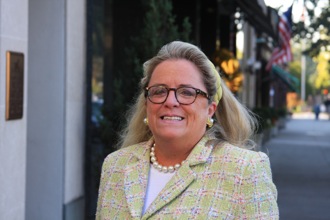
By Mary C. Marvin, Mayor, Village of Bronxville
Apr. 10, 2019: The New York State budget passed on April 1, 2019. As part of the budget, Senate lawmakers approved a pay raise for Governor Cuomo and Lt. Governor Kathy Hochul at 2:45 am on the first and the Assembly followed at 7:00 am. Under the measure, Cuomo’s current $200,000 salary will increase to $225,000 in 2020, making him the highest-paid governor in the nation, followed by California’s Gov. Gavin Newsom at $202,000.
The committee also voted in December to increase lawmakers’ salaries from the current $79,500 to $130,000, pro-rated over three years. All of these raises were contingent upon passing a budget on April 1, a truly powerful incentive.
The following are items in the 2019-2020 state budget that most impact the residents of Bronxville:
Purchasing on the Internet. New York is installing the Internet Fairness Conformity Tax, which will require large online marketplaces like Amazon and eBay to collect taxes on sales between New York State buyers and third-party sellers.
Prior to the enactment of this tax, sales went untaxed, so essentially 8% on each transaction was lost to state coffers.
Net-net, it will cost more to buy items online, but it could be a boon to brick-and-mortar stores, which have been historically disadvantaged.
The expected revenue is $120 million in the coming fiscal year. A portion of the revenue will go to the MTA for train and subway improvements.
Car Rental North of New York City. New York already enforces a 6% surcharge in the metropolitan area. It will now be extended statewide.
The state estimates the new surcharge will raise $11 million, which will be used to help regional transit authorities upstate.
Fixes to the Metropolitan Transportation Authority (MTA). Long criticized for delayed trains and subways, the MTA faces a mandatory overhaul in the budget.
The MTA is required to have a reorganization plan by June 2019 with a mandate to change the way it appoints board members as well as a requirement of an independent audit.
Tax on Opioid Manufacturers. The plan is to tax opioid manufacturers as a way to pay for addiction treatment services.
Last year, the state passed the same legislation, but the courts rejected the plan, as it explicitly prohibited drug companies from passing the cost on to consumers in New York, resulting in other states picking up the cost. The law was reconfigured per the court’s ruling, but many expect it will lead to higher drug prices in New York. If the new law passes muster, the revenue would be $100 million a year.
Taxes. The budget continues a pattern of lowering income taxes for the middle class. The rates are dropping to 6.21% for incomes between $43,000 and $161,550 and 6.49% for incomes between $161,550 and $323,000. The lower rates are being phased in until 2025, when they will fall to 5.5% and 6%, respectively.
The budget keeps the higher tax rates on larger incomes. It extends the 8.82% rate through 2024 if one’s income is $1 million or more, with expected revenue of $4.4 billion yearly.
As another way to raise money for the MTA, the state budget includes a mansion tax as high as 4.15% on the sales of residential properties valued at $25 million or more in New York City.
Congestion Pricing. New York is poised to be the first American city to charge this type of toll. The fee will most probably be more than $10 for cars and $25 for trucks with a start date of 2021.
The revenue generated will fund the MTA, but it is still unclear whether certain bridges and tunnels will be excluded from the toll. The decision will rest with the new traffic mobility review board.
Ban on Plastic Bags. Starting in March 2020, the state will ban most stores from giving customers single-use plastic bags. Counties can also add, at local option, a 5-cent fee on paper bags.
Exemptions will exist for takeout food, deli meat, newspapers, garment bags, and trash bags sold in bulk. The money raised from the fee will go to the state environmental protection fund.
Elimination of Cash Bail. Critics have said that requiring people charged with crimes to pay bail to avoid incarceration while awaiting trial is tantamount to locking up innocent people because they are poor. The legislation passed in response to this includes ending cash bail in most cases, save for violent felonies.
In the same bill, the state also plans to give defendants speedier access to evidence that prosecutors may use against them in court.
Affordable Care Act. Fearing the repeal of the so-called Obamacare, New York plans to codify its health exchange into law. So even if the Affordable Care Act is repealed at the federal level, the New York State of Health Fund will continue to serve 4.7 million residents.